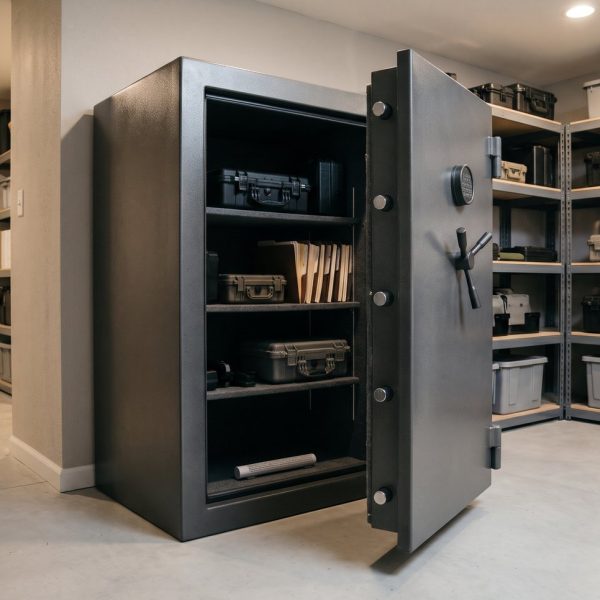
Every responsible shooter eventually faces the same question: where do the firearms live when they are not at the range? A closet shelf and a trigger lock might work for a while, but sooner or later most owners start looking at a proper gun safe. It is one of the more expensive pieces of gear you will buy, and one of the hardest to replace once it is bolted into place, so it pays to choose carefully the first time.
I have spent a good deal of time talking with shooters, range officers and installers about what separates a safe they are glad they bought from one they regret. The answers are surprisingly consistent.
Start With Why You Need a Gun Safe
Before you look at a single model, be honest about the job you want the safe to do. For most households the first priority is keeping firearms away from children, visitors and anyone else who should not handle them. Many places now have child access prevention laws that make secure storage a legal duty as well as a moral one, so check the rules where you live. The second priority is usually theft, and the third is fire. The order of those three will shape almost every decision that follows.
If your main concern is curious kids, a solid steel cabinet with a reliable lock may be enough. If you worry about burglary, you need weight, thicker steel and anchoring. If you live somewhere prone to wildfire, a meaningful fire rating moves to the top of the list.
Size: Buy Bigger Than You Think
The most common regret among owners is simple: the safe filled up too fast. Manufacturers quote capacity as a number of long guns, but those figures assume slim rifles packed tightly with no optics, no slings and no room for anything else. In practice you will also want space for handguns, ammunition, documents and perhaps a few valuables. A sensible rule is to estimate what you own today, then add at least fifty percent.
Measure the room as well as the collection. Doorways, stairs and floor strength all matter. A large safe can weigh several hundred kilograms, and getting it into a basement is a job for professionals.
Steel, Doors and Locks
Steel thickness is usually given as a gauge, where a lower number means thicker metal. Thin 14 gauge bodies resist casual prying but not a determined attack; 10 gauge or thicker is a real step up. Pay attention to the door, too. Look for a thick door with a full frame, internal hinges or hinge-side bolts, and a hardened plate protecting the lock area.
Locks come in three main types. Mechanical dials are slow but extremely durable and need no batteries. Electronic keypads are fast and easy to change, though they need fresh batteries and a quality brand. Biometric readers offer the quickest access and suit a small bedside safe, but their reliability varies widely between models. Many owners choose an electronic lock for the main safe and keep the mechanical key override somewhere separate and secure.
Fire Ratings and Gun Storage Conditions
A fire rating tells you how long the interior stays below a set temperature during testing, often 30, 60 or 90 minutes. Be cautious with marketing claims and look for independent testing where possible. Remember that the inside of a closed safe can also trap moisture. A small dehumidifier rod or a few rechargeable desiccant packs will protect blued steel and wood stocks, and good gun storage habits (clean, lightly oiled firearms, stored unloaded) prevent rust long before it starts.
Read the manual that comes with the safe, especially the sections on lock programming, battery changes and anchoring. If you buy an imported model and the instructions are poorly translated, it is worth getting help, because a misunderstood lock procedure can leave you locked out. Good technical document translation makes a real difference with equipment like this.
Gun Safe vs Gun Cabinet
The terms are often used loosely, but there is a difference. A gun cabinet is usually thinner steel with a simpler lock. It keeps firearms out of reach of children and casual visitors, and it is affordable, light and easy to place in an apartment. A true safe adds thicker steel, heavier bolts, better lock protection and, often, fire insulation. The general overview of gun safes on Wikipedia is a useful primer on these categories and their history.
Placement and Anchoring
Even a heavy safe should be bolted to the floor, and ideally into a corner so that two sides are protected. A garage is convenient but exposed to humidity and easier for thieves to reach. A closet or basement corner on a concrete slab is often the best choice. Keep the location discreet, and avoid posting photos of your setup online.
A safe is one layer in a broader approach to keeping a home secure. Locks on doors and windows, lighting and simple routines all add up, and these simple security habits for homes and workplaces are a good reminder of how much small steps contribute.
Final Thoughts Before You Buy
Set your budget after you have decided on size and protection, not before. Read reviews from owners who have lived with a model for years, check what warranty covers break-in or fire damage, and factor in delivery and installation. A well-chosen gun safe quietly does its job for decades. It protects your family, your investment and your peace of mind, which is exactly what responsible ownership should look like.