Anyone who takes up a shooting sport quickly learns that the paperwork matters almost as much as the practice. Safety instructions, club rules, equipment guides and licence documents all shape what you may do and how. When those documents arrive in a language you do not read fluently, small misunderstandings can turn into real problems. This article explains how to handle that calmly and responsibly.
Why written instructions matter in sport shooting
Every responsible range runs on clear rules: where to stand, when to stop, how to store and transport equipment. These rules exist to protect people, and they are usually written down in a short handbook or on a notice board.
A rule you only half understand is a safety risk. If you are unsure about a single sentence, ask a range officer before you take part, not afterwards.
Protective gear and basic habits
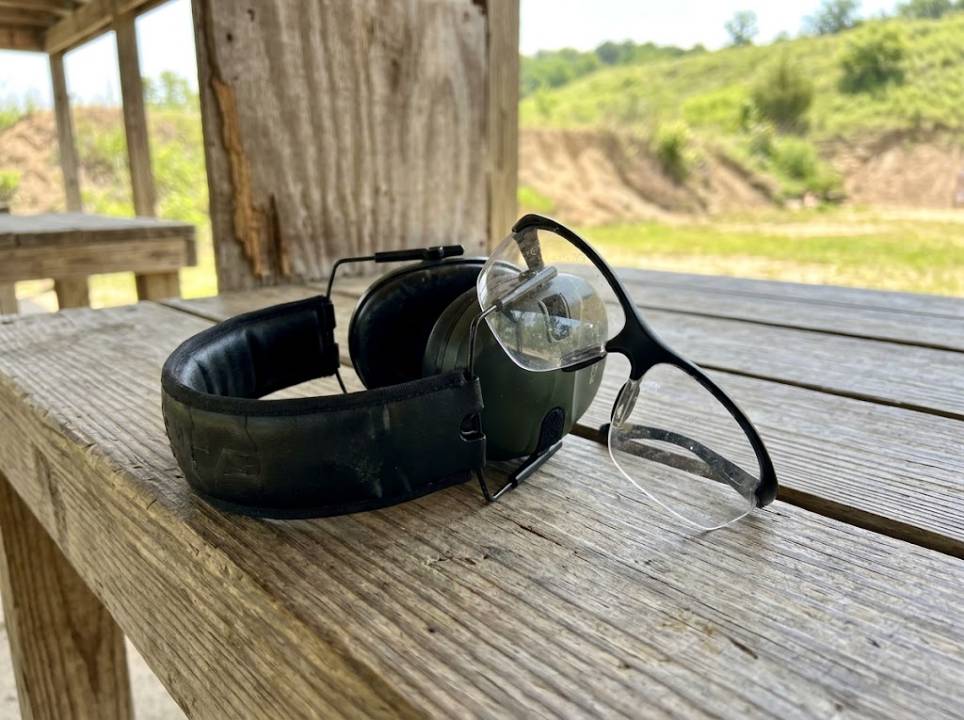
Ear protection and eye protection are standard at any range, and most clubs will not let you in without them. Pick gear that fits well and is certified for its purpose, because a loose or damaged pair defeats its job.
Good habits come from repetition. Arrive early, listen to the briefing, keep your attention on the lane and never rush. Experienced participants treat the briefing as seriously as beginners do.
When documents arrive in another language
Clubs, federations and event organisers often publish rules in their own language only. Visiting athletes, new members and coaches then face pages of terms they do not fully know, from safety procedures to insurance clauses.
For documents that carry legal weight or affect safety, a machine translation is not enough. Work with professional translation services that understand the subject and keep terminology consistent from the first page to the last.
Licences, permits and local regulations
Rules on sport equipment differ widely between countries and even between regions. Anyone planning to compete or train abroad should read the local regulations carefully and speak to the organiser well before travelling.
Official bodies publish guidance in their own language, and the details can be technical. Take your time with each requirement and keep copies of every approval you receive. If a document must be submitted to an authority, ask whether an officially recognised translation is required.
Understanding manuals for sport equipment
A manual is more than a booklet in the box. It explains how to check, clean and store the equipment, and it lists the warnings you must not ignore. Read it fully on the first day, then keep it where you can find it again.
If the manual is written in a language you do not read, do not guess. Ask the seller or the manufacturer for a version you can understand, or have the important sections translated before you use the item.
Budgeting for translation work
Clubs and small organisers often wonder how much translation will cost. Prices depend on the language pair, the length of the text and the deadline. A short guide on translation rates can help you plan a realistic budget before you ask for a quote.
Send the agency the final text, not a draft, and tell them who will read it. A rulebook for volunteers needs a different tone from a contract for sponsors.
Training, coaching and communication
Coaches working with international groups should keep their instructions short and visual. Diagrams, checklists and simple sentences reduce the chance that something is misread, especially when participants speak several languages.
Repeat the key safety points at the start of every session. A brief reminder costs a minute and can prevent an accident. Encourage questions and make clear that no one will be judged for asking.
Keeping records in order
Organise your documents in one folder, on paper or on your computer: membership proof, insurance, approvals, equipment manuals and any translations. When an official or an organiser asks for something, you will find it in seconds.
Label each file with its date and language. Update the folder after each season, and remove outdated versions so you never hand over the wrong one.
Respect for local culture at events
International events bring together people with different habits. Learn a few polite phrases in the host language, follow the dress code and accept the way the organiser runs the day. Courtesy goes a long way in building trust.
Take part in the social side too, because shared meals and conversations are often where new friendships begin. A simple thank you in the local language is always remembered.
Checking your understanding
After reading a new set of rules, explain them in your own words to a friend or a fellow member. If you cannot summarise the main safety points in a few sentences, read the text again or ask for clarification. This simple habit exposes gaps before they matter.
Clubs can help by offering a short quiz or a walk through the range with a trained instructor. New members, visitors and younger participants all benefit from hearing the rules aloud as well as reading them.
Where to learn more
For a broad overview of disciplines, history and competition formats, the general entry on shooting sports offers a useful starting point before you look at the rules of a specific club.
In short, clear instructions, careful gear and accurate translations keep sport safe and enjoyable for everyone. Take the time to understand every document, ask when in doubt and treat language as part of your safety routine.