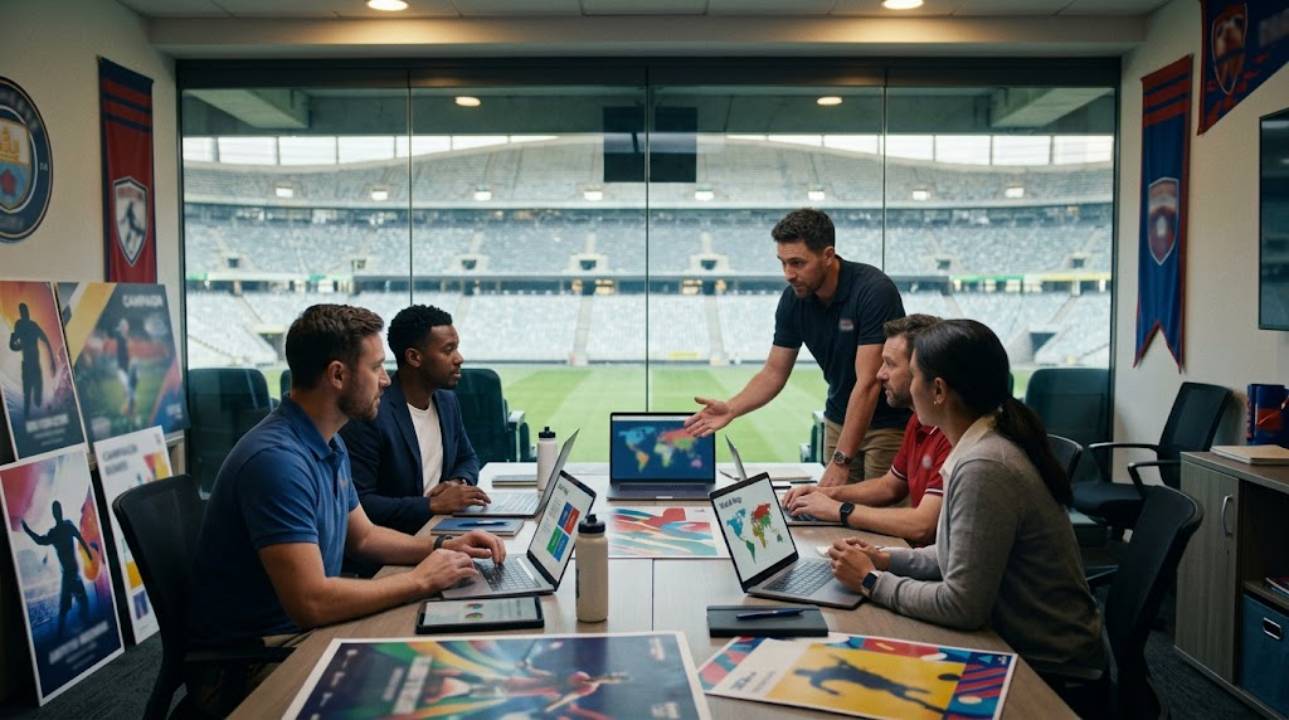
Sports fans expect content in their own language, with the slang and passion of their own culture. A brand that simply translates word for word rarely creates that connection. A flexible translation platform online gives sports companies a practical way to adapt campaigns, shops and apps for every market. This article explains how to approach localization step by step.
Why sports content is hard to localize
Sports language is full of idioms, nicknames, jokes and cultural references. A phrase that excites fans in one country may sound strange or even offensive in another. Localization means adapting meaning and tone, not only words, so that the message feels natural to local audiences.
What localization software does
Specialized tools collect text from websites, apps and campaigns, send it to translators and return finished content. They keep a memory of approved wording and track the status of every language. Our guide to localization software explains the main types and features.
Handle seasons and events
Sports content follows the calendar. Launches, transfer news and tournaments need quick turnaround. Plan a localization calendar in advance, and use automation to send urgent text to translators immediately. Late translation means missed attention at the exact moment fans are most engaged.
Protect the brand voice
Energy, humor and attitude define a sports brand. Create a short voice guide that explains tone with examples and list phrases that should never be translated literally. Translators can then adapt creatively while staying consistent with the brand across all languages.
Adapt products and measurements
Sizes, units and currencies vary by country. Jersey sizes, shoe sizes and distances must be converted correctly in shops and apps. Flag these items in the system so that reviewers can check them before launch and avoid returns caused by wrong information.
Localize social content carefully
Social posts and slogans rely on wordplay. Give translators the freedom to propose alternatives, and ask local fans or staff to review them. A short check by a native speaker prevents embarrassing slogans and keeps conversations with followers authentic.
Respect governing bodies and rules
Sports organizations such as the International Olympic Committee publish official names, guidelines and terminology for events. Using their approved forms, and observing usage rules for logos and names, protects your brand from legal and reputation problems.
Measure local results
Track visits, engagement and sales by language after launch. Compare them with the effort and cost of localization. The numbers show where translation brings real growth and where the strategy should change, so that budget flows toward the strongest markets.
Subtitles and video content
Training videos, interviews and highlights need subtitles that are short, quick to read and well timed. Export subtitle files into the platform, translate within character limits and test them on screen. Poor subtitles frustrate viewers and weaken otherwise strong content.
Mobile apps and notifications
Fans often follow results through apps and push messages. Strings are short and appear in tight spaces. Provide context and character limits to translators, and test every language on real devices before releases to avoid cut off text.
Community and fan support
Support teams answer questions about orders, tickets and accounts. Reuse approved answers through a translation memory, and give agents reliable translations for common cases. Fast, clear support in the fan language builds loyalty.
Sponsorship and partner content
Partners often supply their own messages and guidelines. Build a clear review process for partner text, store approved wording and track changes. Consistent handling avoids disputes and protects commercial relationships across many markets.
Legal text and promotions
Contest rules, privacy notices and terms must be accurate in every language. Assign experienced reviewers and avoid raw machine output for such content. Local laws differ, so involve local counsel where promotions or data collection are concerned.
Working with local agencies
Many brands rely on local partners for creative work. Invite them into the platform, share glossaries and style guides, and review their changes in context. A shared workflow keeps campaigns aligned without endless email chains.
Machine translation with human review
Engines can draft product descriptions or match reports quickly. Edit all output carefully, especially names and statistics. Keep high visibility content, such as slogans and headlines, in human hands where creativity and emotion matter most.
Naming players and teams
Names of players, clubs and venues must be spelled consistently. Add them to a glossary with notes on forms and transliteration for other scripts. Mistakes in names are noticed immediately by fans and spread quickly online.
Speed versus quality
Fast delivery matters, yet errors hurt credibility. Define content levels, such as live updates, campaign copy and legal text, and assign a review depth to each. This keeps work fast where possible and careful where necessary.
Plan the rollout
Start with the markets that matter most and two or three languages. Learn from the first launch, then expand. A staged approach reduces risk, builds internal confidence and lets you refine the process before the next big season.
Final thoughts
Localization software helps sports brands move fast without losing their voice. Combine a reliable platform with clear voice guidelines, local review and measurement, and every new market can feel like home turf for fans.