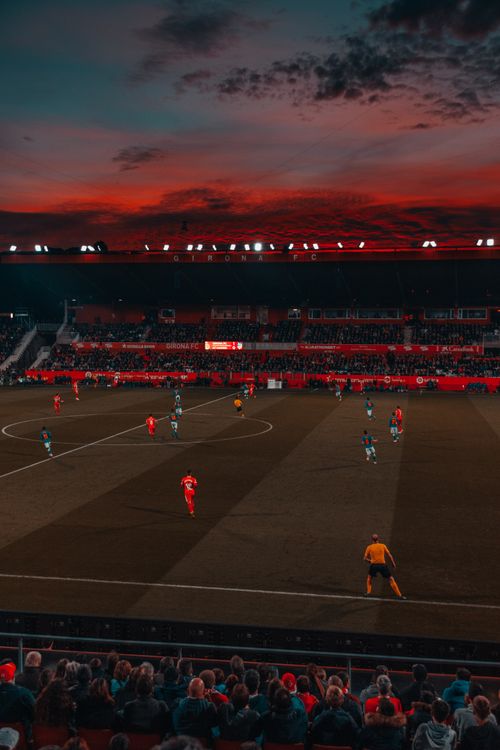
Sports fans play in every language
Football basketball racing and fighting games sell worldwide. A player in Brazil expects commentary in Portuguese. A player in Japan expects menus that fit local habits. Studios that release only in English miss a huge part of the audience that already loves the sport and wants to play it at home on the weekend.
What actually needs localizing
Most people think of menus and subtitles. A sports title contains much more. Commentary scripts player names chants tutorials achievement descriptions store items and legal notices all need attention. Each type has its own tone. Commentary is fast and emotional. Tutorials are calm and clear. Legal text is dry and precise.
Commentary is the hardest part
Live commentary depends on rhythm and excitement. A literal translation often falls flat. The line has to fit the time between plays and still sound like a real broadcaster. Good game localization services use adaptation and not word for word conversion. They also coordinate with voice actors who can deliver the text with the right energy.
Cultural references and rivalries
Fans care about local rivalries and traditions. A joke about a derby only works if the reference is correct. Colors flags and club symbols also carry meaning. Check every visual with a local reviewer. A wrong symbol on a jersey can cause a social media storm faster than any bug.
Keep terminology consistent
Every sport has its vocabulary. A pass in one language may be called differently in another. Create a glossary for positions moves and rules and share it with all linguists. Consistency makes a game feel professional and helps players learn quickly without confusion.
Managing a project with many moving parts
Localization touches design writing audio and quality testing. Without a clear process builds arrive late and strings change daily. Many studios now use enterprise ai platforms to track tasks assets and deadlines across teams in a single place. The tools matter less than the discipline of keeping the source stable.
Know your market data
Industry sites such as IGN track how sports games perform in different regions and what players say about language quality. Reading their reviews shows which complaints repeat. Poor translations appear often in player feedback and cost studios review scores.
Use numbers to prioritise languages
Market data from Statista helps estimate where gaming audiences are growing. Combine it with your own sales and wishlist numbers. Choose the first three languages based on revenue potential and not on guesswork. Add more as the player base grows.
Testing in context
Linguistic testing happens in the build and not in a spreadsheet. Testers play the game and report truncated text wrong tone and missing translations. Give them time and clear guidelines. Strings that look fine in a file can overflow a button on screen.
Fonts and layout
Some languages need more space and others need special characters. Plan the interface so that text boxes can grow. Test fonts for every script early. Late discoveries about missing characters are expensive and delay launches.
Community and updates
Players expect updates and live events in their language. Seasonal content and patch notes need fast turnaround. Prepare a lightweight process for weekly texts and keep a pool of trusted linguists. Quick accurate updates keep the community loyal.
Budgeting for localization
Treat language as part of the product budget and not a last minute cost. Include voice work testing and updates. Studios that plan early spend less than those that rush before launch. Ask for quotes by language and include a contingency for changes.
Game studios face the adaptation problem described above in its most demanding form, since dialogue, interface and voice work all have to land in the same register. A joke that falls flat or a menu that overflows its box breaks the illusion the whole production was built to sustain. Studios that take it seriously bring in localization services during development rather than at submission, because the fixes are cheap while the text is still editable.
A practical first step
Pick one flagship market. Localize the full experience for it including audio. Track reviews retention and sales for three months. Use the lessons to expand. A well executed single language launch teaches more than a rushed rollout in ten languages.
Licensed names and legal limits
Sports titles often use licensed teams and athletes. Contracts may require approval of any text that mentions them. Build review steps into the schedule so that localized lines reach the licensor on time. Skipping this step can delay a launch by weeks and strain relationships with rights holders.
Accessibility and inclusive language
Players with different needs use subtitles and visual cues. Clear captions with speaker labels and sound descriptions help many people. Use inclusive language in every locale and avoid slang that excludes. Accessible text improves the experience for everyone and widens the audience for the game.
Marketing assets and store pages
The store page is where most players decide. Translate the title description screenshots captions and trailer subtitles with care. Use keywords that local players really search. A strong store page in the local language raises wishlist numbers before the game even launches.
Customer support after launch
Players write to support when something fails. Prepare answers in the main languages and train agents with a glossary. Fast replies in the right language turn angry reviews into fans. Even simple templates help if they are reviewed by native speakers.
Esports and tournaments
Competitive scenes need rule books broadcast graphics and announcements in several languages. Accuracy matters because disputes can hinge on a single clause. Hire linguists with experience in competitive gaming who know the live vocabulary used by commentators and players.
Measure and improve
After release check reviews by language. Look for repeated comments about wording or voice. Fix the highest impact issues in the first patch and keep a log for future titles. Small corrections build trust and show that the studio listens to its audience.
Working with freelancers and vendors
Mix in house leads with trusted freelancers who love sports. Passion shows in the text. Share builds early and give access to reference videos so that linguists understand the context. Pay on time and give feedback. Good relationships keep the best people available for future updates.
Reusing assets across titles
Annual releases share a large part of their text. Keep a translation memory so that repeated lines cost nothing. Update only the new content and run a consistency check. This saves budget every season and keeps the voice of the franchise stable.